POULTRYPractical Guide
Everyday Cooking Guide

Chicken and Turkey Marinades

A practical guide to keeping chicken and turkey flavorful and juicy with balanced marinades, sensible timing, and reliable cooking methods.

6 guide blocks
Practical Kitchen Guide

Methods, Marinades, and Key Decisions

Use these focused notes as a starting point, then open the related recipes for complete quantities and instructions.

01

Dry Brine or Salt Brine

Salt seasons poultry beyond the surface and helps it retain moisture. A dry brine keeps the skin easier to crisp, while a measured salt-water brine is useful for lean breasts and larger turkey pieces. Keep poultry refrigerated throughout.
02

Yogurt, Garlic, and Herb Marinade

Yogurt gives chicken and turkey a gentle tang and carries garlic, paprika, coriander, dill, or parsley. Remove thick excess before high-heat cooking to encourage browning and reduce scorching.

03

Citrus and Herb Marinade

Lemon or orange zest, herbs, garlic, and oil make a fresh marinade. Use juice with restraint and avoid very long marination because strong acidity can make the outside of lean poultry soft or chalky.

04

Soy, Ginger, and Sesame Marinade

Soy sauce supplies salt and savory depth, while ginger, garlic, and sesame add aroma. Balance sweet ingredients carefully because honey and sugar color quickly in a hot pan or over direct flame.

05

Choose the Cooking Method

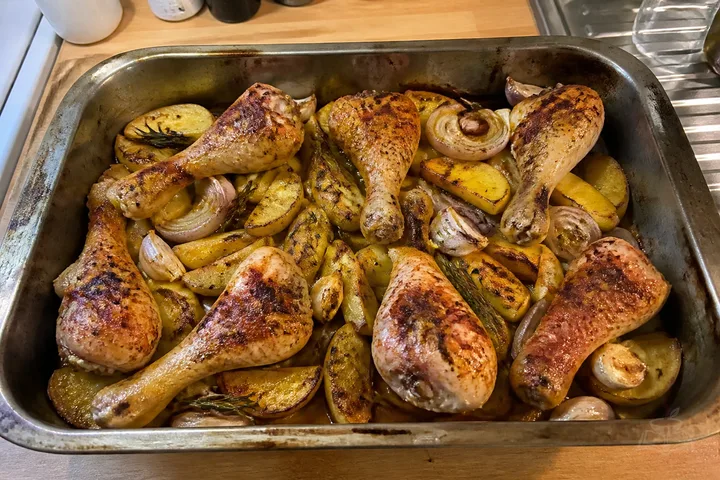
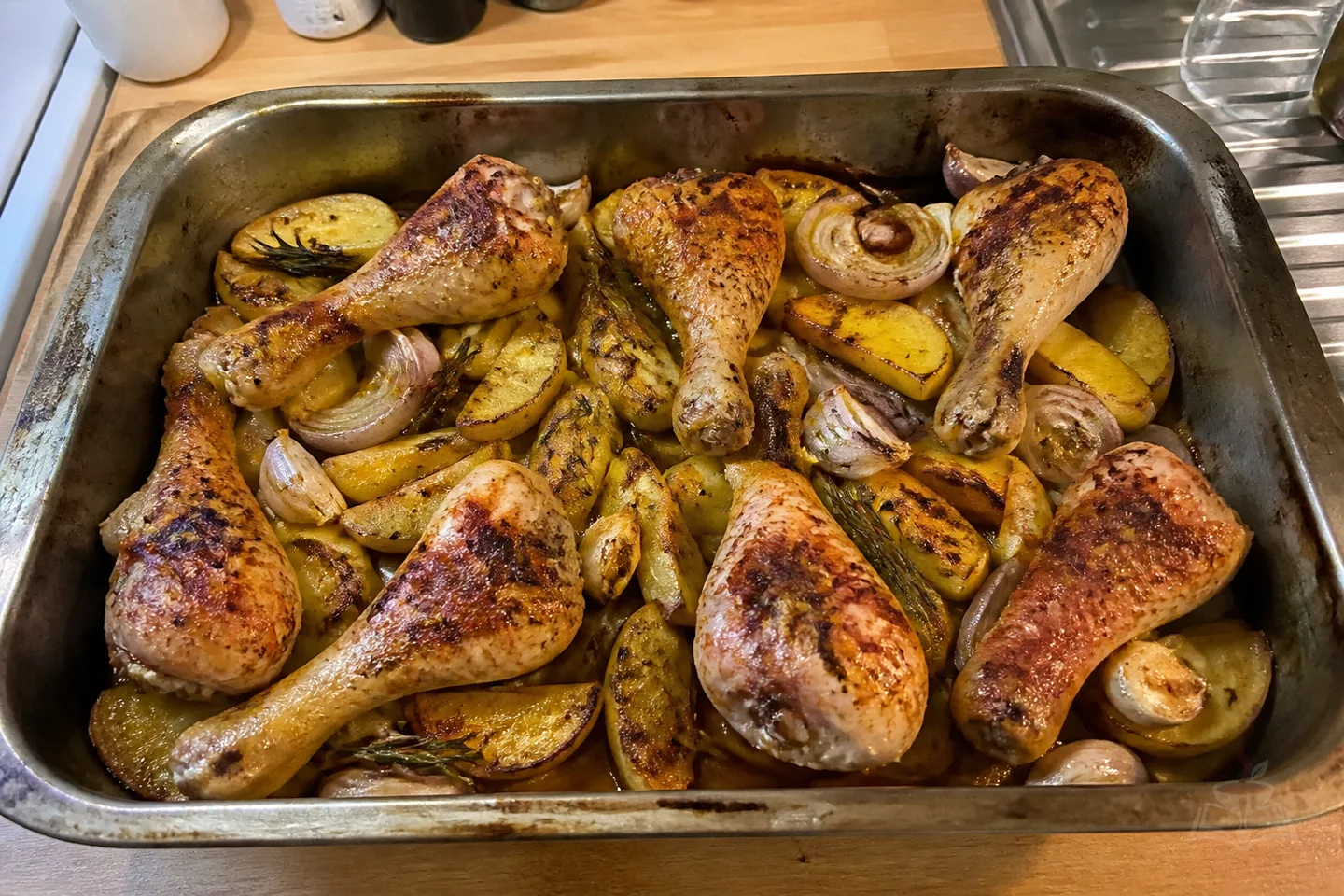
Use roasting for whole birds and bone-in pieces, grilling for quick browning, pan cooking for thin portions, and gentle braising for tougher legs and thighs. Match piece size within a batch so everything finishes together.

06

Poultry Safety

Marinate in the refrigerator and prevent raw juices from touching ready-to-eat food. Reserve clean marinade before adding poultry or boil used marinade before reuse. Chicken and turkey should reach 74 °C in the thickest part, away from bone; check the breast, inner thigh, and inner wing on a whole bird.