


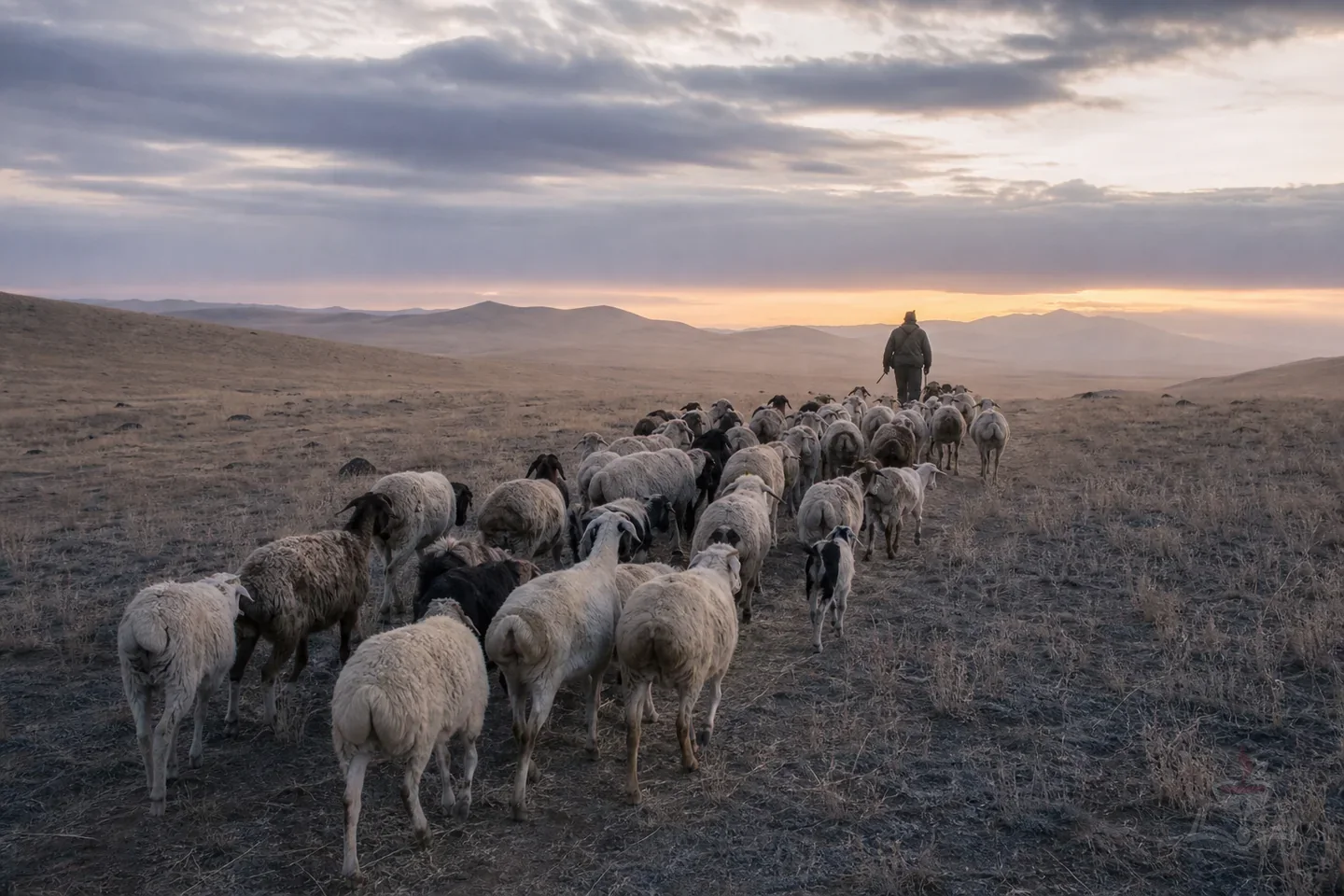
The United Nations declared 2026 the International Year of Rangelands and Pastoralists, with the Food and Agriculture Organization serving as the lead agency. The initiative brings attention to communities that move and manage herds across grasslands, savannas, steppes, mountain areas, deserts, and other open landscapes.
FAO estimates that rangelands cover around half of the world's surface. These ecosystems support biodiversity and provide forage for animals that contribute meat, milk, fiber, and livelihoods. Pastoral mobility can help herders respond to changing seasons and water availability while allowing vegetation time to recover. The system depends on access to land, local knowledge, animal health, and fair markets.
Food culture is one of the clearest ways to understand this relationship. Fermented milk, aged cheese, dried meat, broths, grains cooked with animal fat, and portable breads often developed because they fit movement, climate, and the need to preserve nutrition. They are not museum pieces; many remain practical foods shaped by living communities.
For shoppers and home cooks, the year offers a reason to ask where an ingredient came from and who produced it. Buy from transparent supply chains when possible, waste less of an animal product, and learn the context of a regional recipe before adapting it. Respect begins with curiosity, accurate names, and recognition that a landscape can be part of a dish's story.